SOIL NEXUS:
The Surface & Subsurface Element of Life
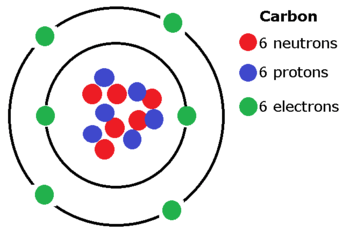
Carbon C
Soil, the Terrestrial Nexus of Life.
“The Terrestrial Nexus is the foundational energetic substrate of the planet. It is not merely a medium to be cultivated; it is the fundamental infrastructure upon which all biological and industrial sovereignty rests.”
The concept of the terrestrial soil nexus encompasses a comprehensive understanding of how the Earth’s surface interacts with the mineral, organic, and gaseous cycles that sustain global stability. It highlights the intricate relationships between the vitality of the soil we stand upon, the ongoing changes in land use, and the long-term food and resource security of populations worldwide.
At its core, the terrestrial soil nexus recognizes that soil health is influenced by a myriad of factors, including industrial agriculture, urban sprawl, and resource extraction. These activities deplete topsoil, disrupt microbial integrity, and degrade the land’s natural capacity to sequester carbon and filter water. Moreover, this degradation does not exist in isolation; it interacts with hydrological and atmospheric processes, contributing to desertification, nutrient runoff, and the systemic collapse of local ecosystems.
Industrial degradation, driven by extractive practices, further complicates this relationship. As topsoil vanishes and land fertility shifts, we can expect more frequent and intense resource instability. For instance, the loss of organic matter reduces the soil’s capacity to retain moisture, worsening drought impacts in agricultural regions and posing significant risks to global food security.
The nexus also emphasizes the importance of land stewardship. The transition from extractive land management to regenerative and sovereign infrastructure models can restore soil vitality by rebuilding the carbon-rich structures that support all life. This transition not only mitigates environmental impacts but also promotes economic sovereignty by securing the foundation of our resource production.
In addition, the terrestrial soil nexus is vital for informed policymaking. Understanding these interconnections can guide governments and organizations in implementing effective strategies to combat desertification, optimize land usage, and protect agricultural output. For example, policies that promote circular resource management and soil-positive engineering can simultaneously address food security and climate resilience while improving overall landscape health outcomes.
Ultimately, recognizing the terrestrial soil nexus is crucial for fostering a sustainable future. By acknowledging the deep interconnections at play, we can work towards solutions that regenerate the land, secure our resources, and safeguard the health of communities around the world. This holistic perspective is essential for creating effective land-use policies and promoting a healthier planet for current and future generations.
Terrestrial Soil Threats
NUCLEAR CONTAMINATION: The ultimate disruption of the terrestrial equilibrium, these agents do not merely sterilize; they fundamentally alter the mineral chemistry and isotopic stability of the soil in the immediate and long-term aftermath. Their existence stands as a testament to humanity’s capacity to shatter the very substrate—the soil—that sustains our biological existence.
ELECTROMAGNETIC DEGRADATION: While you focus on chemical and physical threats, our soil is also a conduit for energetic transfer. Artificial ground currents, ionospheric grounding, and industrial electromagnetic activity can destabilize the microbial “nexus” you are building upon. Recognizing this acknowledges that the soil is not just dirt—it is a live, energetic circuit.
- BIOLOGICAL PATHOGENS: From a Theron Science perspective, the soil is the primary reservoir for biological hazards. Whether natural or synthetic, these particulate threats bypass traditional remediation models. Including this elevates the conversation from “cleaning the soil” to “securing the terrestrial environment.”
- THE VOID OF COMPACTION: This is the antithesis of your Soil is Life philosophy. In urban or engineered environments, soil that loses its natural porosity becomes stagnant—it loses its ability to self-cleanse through moisture and nutrient movement. This is a “threat” of our own making by building structures that reject the natural circulation of the planet.
DESERTIFICATION: This is the soil in an unrestrained state, a manifestation of lost moisture and exhausted organic matter. It represents the Earth’s desperate mechanism for landscape stabilization, reminding us that when the terrestrial nexus is pushed past its threshold, the result is an overwhelming expansion of barren land that disregards all human infrastructure.
EROSION: Localized, violent, and unpredictable, erosion is the terrestrial equivalent of a snap-point. It represents the extreme loss of structure that can emerge when land management systems fail, demonstrating the fragility of our current environment and the speed at which land stability can disintegrate into dust.
PARTICULATE DEBRIS: Often ignored, these microscopic synthetic solids and industrial polymers represent a persistent, slow-moving threat to our root systems and the vitality of our land. They are the accumulated debris of industrial life, embedded in the medium we rely on for every harvest, subtly degrading the biological function of life itself.
CHEMICAL POLLUTANTS: Beyond the surface, our soil is increasingly saturated with compounds—synthetic fertilizers, pesticides, and hydrocarbons—that alter the fundamental chemical composition of the earth. These pollutants do not simply linger; they actively react and transform, creating complex, harmful interactions that compromise the soil’s natural ability to support life.
CARBON DEPLETION: This is the thermal drain we have unknowingly induced in the planet, stripping the organic carbon that fuels all other terrestrial life. By altering the concentration of humus and microbial activity, we are resetting the productivity of the Earth, fundamentally shifting the energy balance that has supported human civilization for millennia.
LAND DEGRADATION: This is the cumulative outcome of every threat listed above. It is the shift from a predictable, rhythmic earth to one defined by instability and exhaustion. It is the systemic failure of the old model, signaling that our relationship with the ground must evolve from one of passive extraction to one of active stewardship and engineering.
SYNTHETIC SUBSTRATES: We have retreated into hydroponic and artificial environments to escape the very soil we have compromised, only to trap ourselves in a cycle of inert, sterile, and often toxic growth media. It is the final irony of the modern age—spending our lives consuming plants that have been stripped of their terrestrial vitality, processed until they are a mere shadow of their natural state.
THE TOPSOIL LAYER: This is the shield, the delicate biological filter that preserves the conditions necessary for life. As this layer faces disruption from chemical interactions and human-introduced agents, we compromise the very mechanism that protects us from the harsh reality of environmental volatility. Protecting it is not merely an agricultural goal; it is a structural necessity for the continuity of life.
“To secure the nexus is to master the movement of nutrients and matter—explore our Reclamation Systems and TRON Integration to see how we define the future of terrestrial stewardship.”