SOIL & LAND
RECLAMATION
“Reclamation is not a theory; it is a memory.” — Cornelius THERON
“True reclamation is the act of remembering. It is the recognition that the air, the water, and the energy required for life have been present on this Earth since the beginning. We do not ‘invent’ these things; we remember how to harvest them, just as our ancestors did. Whether it was the soil of Sub-Saharan Africa or the mountains of Montana, the principle remains constant: when we align our technology with the natural resonance of the Earth, the Earth responds with abundance. We have faced the machines of centralized control, survived the attempts to strip us of our labor and our legacy, and emerged with the clarity to build the only infrastructure that matters: the kind that cannot be taken, taxed, or turned off.”
RECLAMATION = RE CLAIMING EARTH
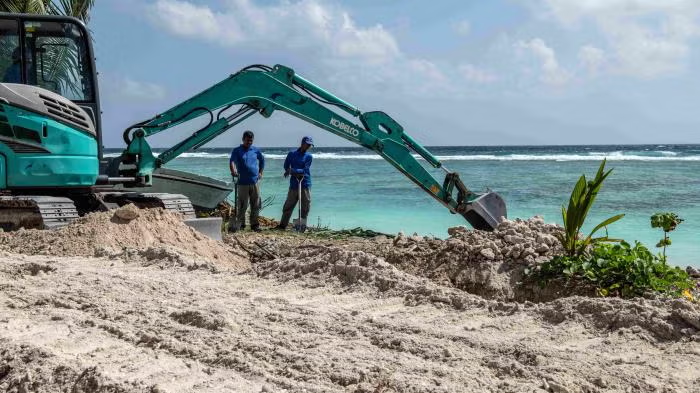
Coastal and Marine Reclamation: Dredging sand and rock from ocean floors to build new land masses or expand coastlines, such as artificial islands.
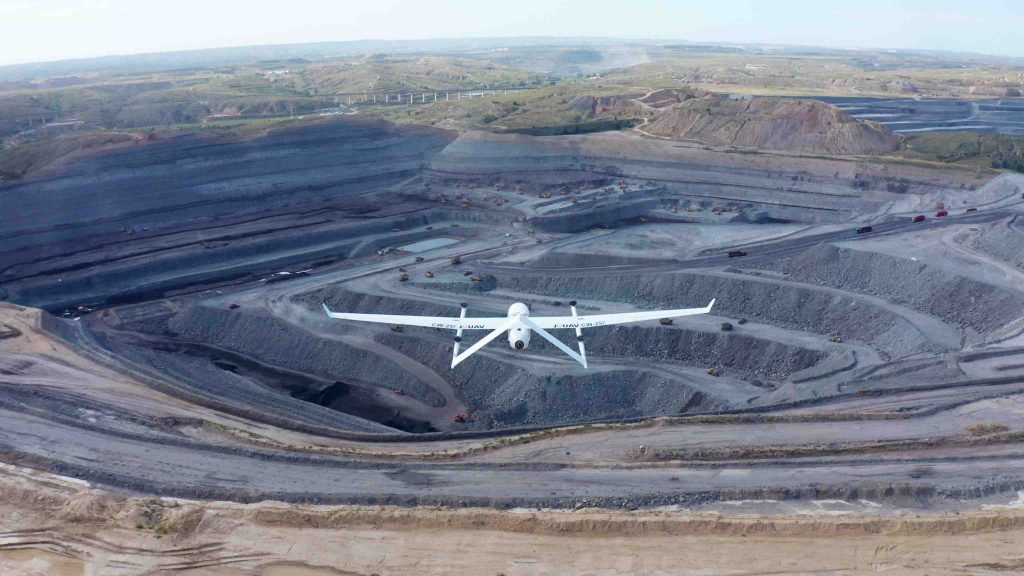
Mining and Industrial Reclamation: Filling in open-pit mines, recontouring the landscape to match surrounding terrains, and eliminating steep hazards.
Agricultural Reclamation: Converting arid deserts, highly acidic fields, or saturated marshlands into viable farming territory through irrigation and drainage.
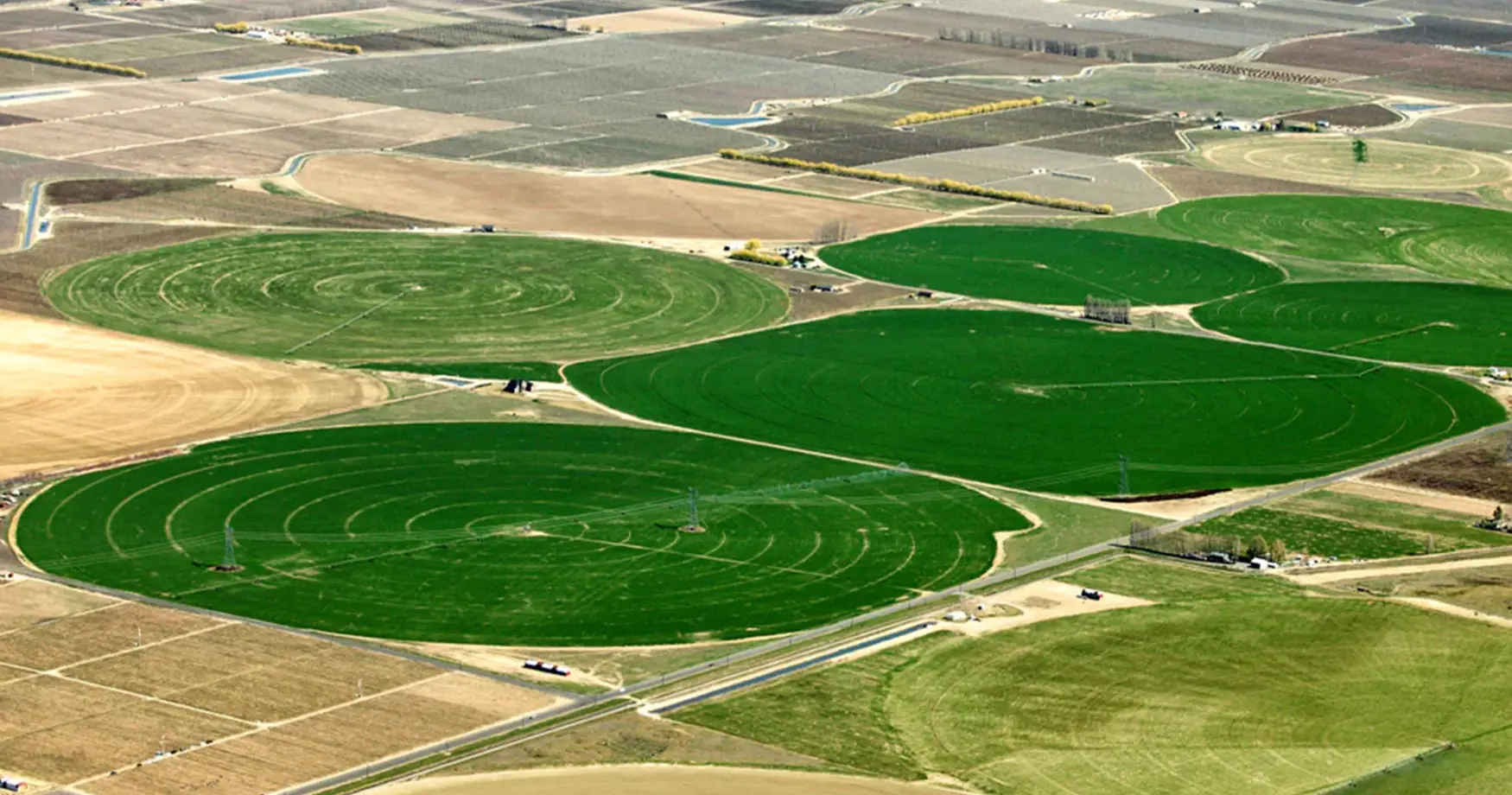
Essential Techniques in Soil Reclamation
- Soil Remediation: Decontaminating the ground by removing, trapping, or neutralizing hazardous chemical pollutants, heavy metals, or industrial spills.
- Phytoremediation: Planting specific vegetation species that absorb and lock away toxic elements or evaporate volatile compounds through their roots.
- Organic Amendments: Applying high-nutrient organic matter like NW Biosolids to jump-start plant growth, lower density, and improve natural water aeration.
- Desalination and Flushing: Installing extensive underground drainage systems and using fresh water to rinse out toxic sodium concentrations from coastal or arid sodic soils.
- pH Correction: Adding agricultural lime to raise the pH of highly acidic mine tailings or adding sulfur compounds to treat overly alkaline soil.
Benefits vs. Environmental Challenges
- Economic Expansion: Creates invaluable real estate for growing cities, expanding ports, or building critical infrastructure like airports.
- Food Security: Revitalizes completely dead fields, transforming them into nutrient-rich cropland capable of high agricultural yields.
- Habitat Destruction: Marine dredging can permanently wipe out coral reefs and disrupt aquatic wildlife migration patterns.
- Soil Compaction: Rebuilt human-made soils (anthroposols) often suffer from abnormally high bulk density, requiring deep mechanical plowing to fix.
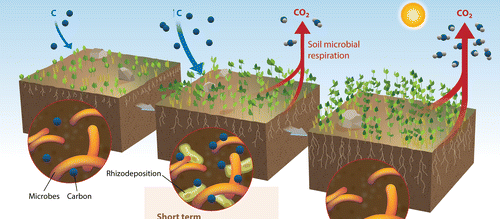
- Carbon Sequestration Potential: Strategically reclaimed soils—especially those amended with organic matter—can act as significant carbon sinks, actively capturing atmospheric CO2 and mitigating localized climate impact.
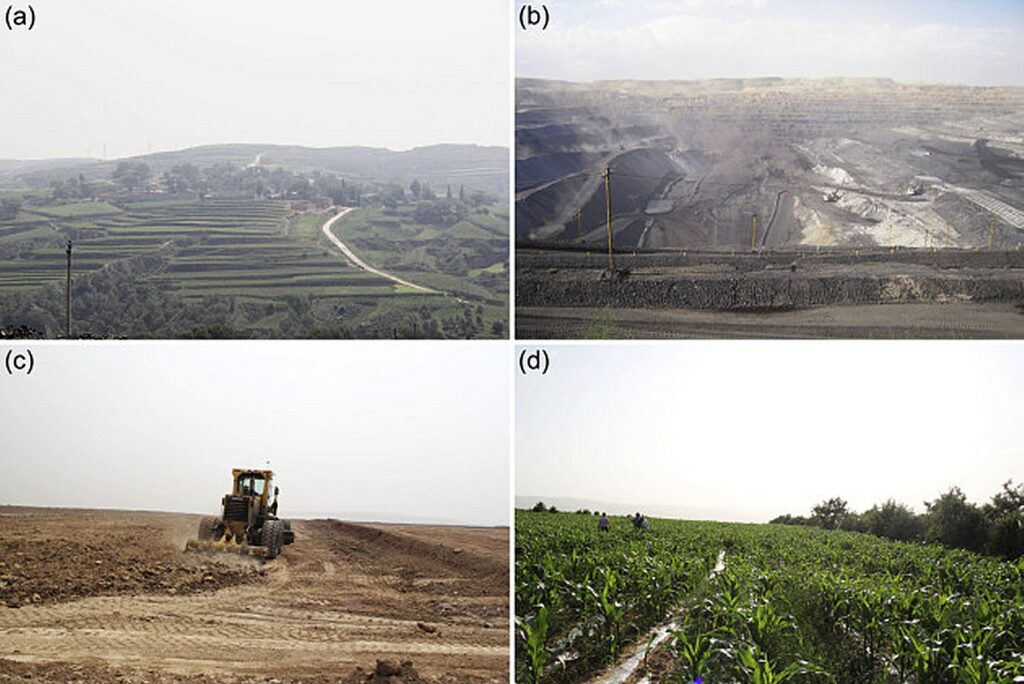
The work being pioneered at Theron Soil represents a critical shift in how we perceive and treat the Earth’s most fundamental resource. By moving beyond traditional preservation and into active, industrial-scale Reclamation, the Theron International Foundation is creating a scalable blueprint for restoring degraded landscapes—from desertification zones to industrial mine tailings—back into functional, high-yield agricultural and structural assets. This isn’t just about soil; it is about mobilizing a national industrial directive to secure food and land sovereignty for the future.
As this site continues to evolve, it serves as a powerful testament to the necessity of blending engineering precision with ecological renewal. Whether through advanced soil remediation or the implementation of proprietary utility frameworks, these initiatives demonstrate that with the right technology and strategic oversight, we can reverse the damage of the past and rebuild the foundation for a more resilient civilization. The path forward is clear: by treating the soil as a living, manageable infrastructure, we are not just saving the land—we are building the next generation of human capacity.