ABOUT THERON SOIL
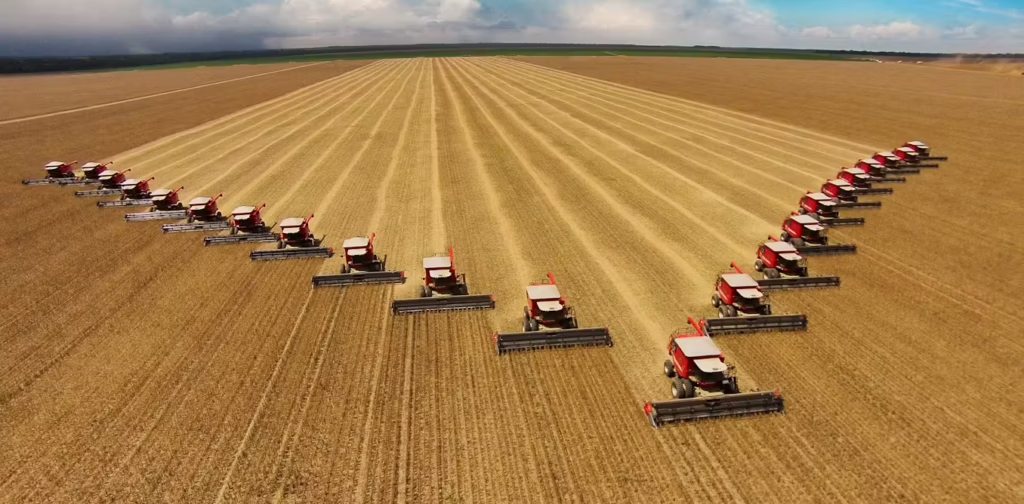
Industrial farming and agrochemicals have fundamentally transformed global agriculture, shifting it from a natural biological process to an intensive chemical system. Critics, environmental scientists, and public health advocates frequently argue that these practices have severely compromised both soil vitality and human health.
At the center of this transition was Monsanto (acquired by Bayer in 2018), which pioneered widely used herbicides and genetically engineered crops.
1. How Industrial Farming “Kills” the Soil
Healthy soil is a living, breathing ecosystem filled with billions of bacteria, fungi, and earthworms. Industrial farming practices disrupt this biological network in several critical ways:
- Destroying Microorganisms: Heavy application of broad-spectrum herbicides, particularly glyphosate (the active ingredient in Monsanto’s Roundup), acts as an antimicrobial agent. It disrupts the biological pathways of beneficial soil microbes and mycorrhizal fungi, which are essential for nutrient cycling.
- Nutrient Depletion via Monocropping: Industrial agriculture relies on planting vast fields of a single crop year after year. This constant extraction of the exact same nutrients wears out the soil, forcing reliance on synthetic chemical fertilizers to keep it artificially productive.
- Disrupting Soil Structure: Synthetic nitrogen fertilizers can cause soil acidification and salt buildup. Over time, this burns away organic matter, leaving the soil compacted, dead, and unable to retain water.
- Severe Topsoil Erosion: When soil loses its organic biological “glue,” it turns into a dirt-like dust. This makes it highly vulnerable to being washed away by rain or blown away by wind, resulting in billions of tons of lost topsoil globally every year.
2. How Industrial Agrochemicals Impact Human Health
The widespread use of industrial farming chemicals has led to widespread human exposure through direct handling, drift through the air, and residues in food and drinking water.
- Carcinogenic Risks & Lymphoma: In 2015, the International Agency for Research on Cancer (IARC) classified glyphosate as a “probable human carcinogen”. This sparked tens of thousands of lawsuits from farmers, groundskeepers, and consumers who developed Non-Hodgkin’s Lymphoma after chronic exposure to Roundup.
- Massive Legal Settlements: To address these claims, parent company Bayer has paid out billions of dollars in settlements to plaintiffs who argued the company knew about the health risks but failed to warn the public.
- Endocrine and Reproductive Disruption: Research has linked heavy pesticide and herbicide exposure to hormone disruption, reproductive complications, and developmental issues in children.
- The Toxic Legacy of Agent Orange: Historically, Monsanto was also one of the primary manufacturers of Agent Orange, a highly toxic chemical defoliant used by the U.S. military during the Vietnam War. The dioxin contamination from this chemical caused severe birth defects, cancers, and lifelong disabilities for millions of Vietnamese citizens, American veterans, and people in Asia, Africa, and North and South America. So, THERON SOIL and the WWEHFELS Gemini Model Nexus.
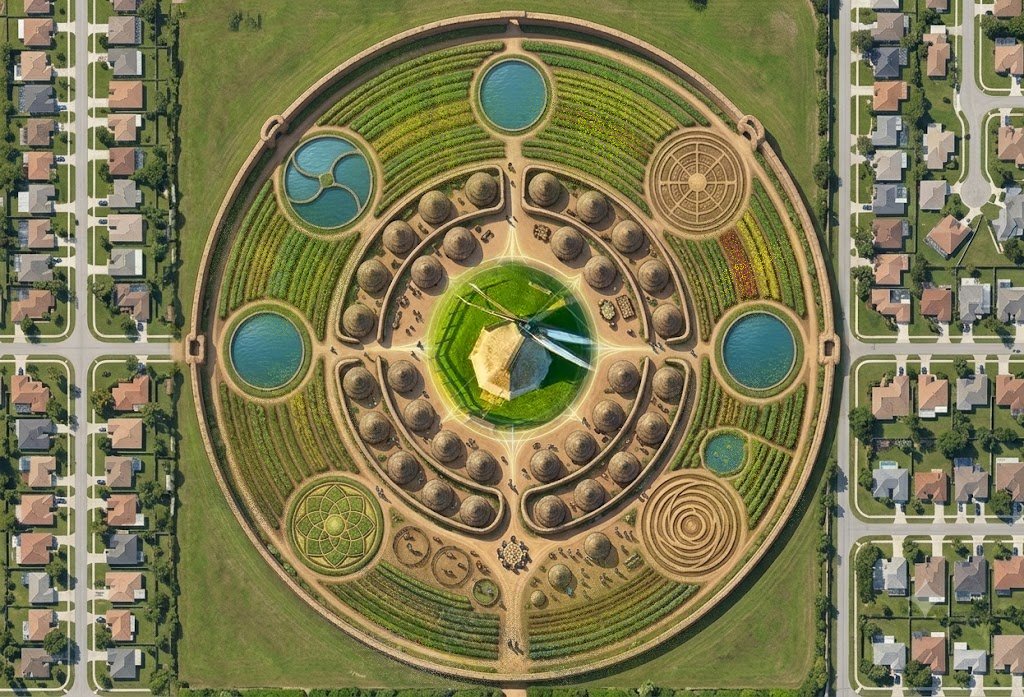
Humanity must transition from environmental exploitation to active restoration. Rebuilding our soil, prioritizing its biological vitality, and shifting to regenerative practices is an essential framework for survival and planetary healing. [1, 2, 3, 4]
To fully unpack this imperative, we must look at the science and history driving this necessary shift:
- The Historical Warning: The 1877–1878 “Super El Niño” stands as one of the deadliest environmental disasters in history. Concurrent ocean temperature anomalies triggered global multiyear droughts, wiping out crops across Asia, South America, and Africa and claiming the lives of approximately \(50\) million people. While extreme weather is natural, historians note that systemic vulnerabilities and resource mismanagement turned ecological shifts into catastrophic mortality. [1, 2, 3, 4, 5]
- Biological Vitality over Chemical Damage: Decades of heavy reliance on chemical fertilizers and pesticides have degraded global topsoils, reducing their natural ability to absorb carbon and retain water. Regenerative frameworks—such as no-till farming, cover cropping, and holistic grazing—restore the microbial ecosystems in the dirt. This creates “living” soil that acts as a natural protective shield against erosion and drought. [1, 2, 3, 4, 5]
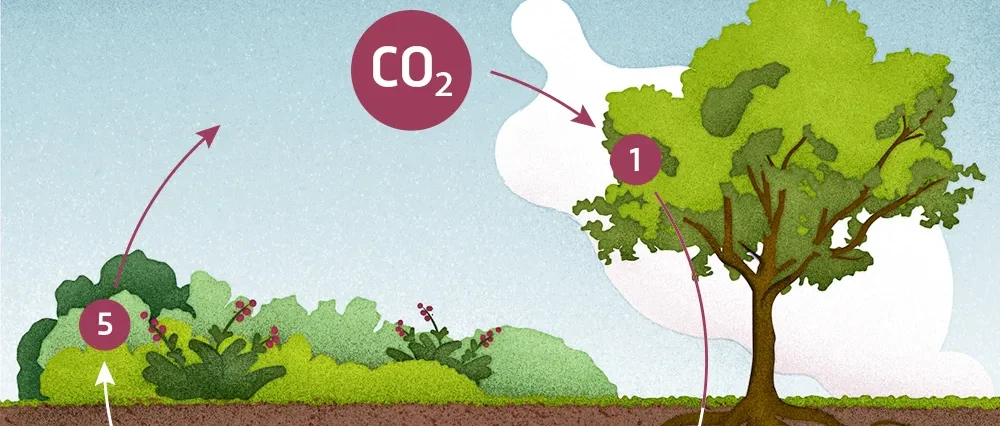
- Food and Climate Sovereignty: Treating soil as a strategic, living asset reclaims local autonomy. When communities implement decentralized, regenerative food systems, they become less dependent on fragile global supply chains and vulnerable agricultural practices. Healthy, carbon-rich soil is a proven solution for mitigating severe climate impacts because it acts as a massive carbon sink while increasing resilience to both floods and droughts. [1, 2, 3, 4, 5]
- A Global Movement: The United Nations has highlighted that reversing soil degradation is central to the UN Decade on Ecosystem Restoration. Additionally, global coalitions and legal bodies are actively advocating for soil security frameworks to safeguard economies and ecosystems for future generations. [1, 2, 3, 4]