DEFORESTATION
DEFORESTATION: The Strategic Failure of Industrial Clearing
Deforestation is the systematic dismantling of the planet’s atmospheric and terrestrial cooling system. For decades, industrial interests have treated forests as “standing timber assets” rather than the planetary circulatory framework they are. This is not just environmental damage; it is the destruction of the very infrastructure that regulates moisture, prevents soil erosion, and drives the Flora2Fauna cycle.
The Theron Mobilization Directive
1. Stop the Industrial Strip-Mining:
Moving beyond the “conservationist” narrative to the “Sovereign Preservation” model. We treat forests as part of the WWEHFELS perimeter—essential for life, water, and soil sustainability.
2. Reforestation via TRON Frequency:
Utilizing the ElectroCulture Growth (ECG) protocol to accelerate the re-establishment of native flora. By synchronizing reforestation to the 7.83Hz resonance, we achieve decades of growth in a fraction of the time.
3. Mechanical & Kinetic Buffer Zones:
Integrating Kinetic Harvesters along forest perimeters to create “value-based zones” where the energy output of the land incentivizes its preservation over its destruction.


Benefits vs. Environmental Challenges
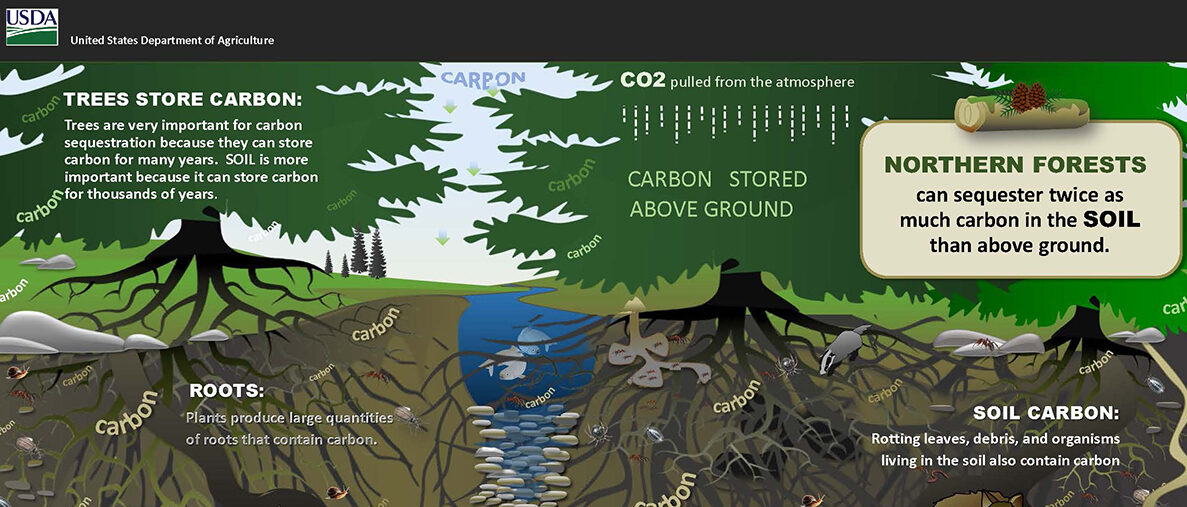
Carbon Sequestration: Living forests are the only effective carbon sinks capable of handling the planetary load. We treat them as critical infrastructure for the SIC & SOC mandate.
Climate Regulation: Restoring canopy cover restores local humidity and rainfall cycles, directly combating the desertification trends that have decimated once-lush regions.
Resource Theft: The primary challenge is the economic pressure of “slash and burn” agriculture. We combat this by providing Higher Yield Agricultural Alternatives (Vertical/Fodder farming) that render deforestation for farmland unnecessary.
Infrastructure Encroachment: We utilize Sovereign Perimeter Hardening (3×13 protocols) to protect identified critical forest nodes from unauthorized industrial expansion.
INTERNATIONAL MULTILATERAL AGREEMENTS AND REGIONAL TRADE REGULATION
- The Paris Agreement (Article 5): Enshrines REDD+ (Reducing Emissions from Deforestation and Forest Degradation). It provides financial incentives for developing countries to reduce emissions from forested lands and invest in sustainable forest management. [1, 2, 3]
- UN Convention on Biological Diversity (CBD): A global treaty requiring countries to develop national strategies for the conservation and sustainable use of biological diversity, which inherently limits large-scale deforestation. [1, 2, 3]
- Glasgow Leaders’ Declaration on Forests and Land Use: Pledged by over 140 countries (covering 90% of the world’s forests) at COP26 to halt and reverse forest loss and land degradation. [1, 2, 3, 4, 5]
- EU Deforestation Regulation (EUDR): The most aggressive legislation of its kind. It mandates that companies selling seven key commodities (cattle, cocoa, coffee, oil palm, rubber, soy, and wood) into the EU prove that their products did not originate from recently deforested land. [1, 2, 3, 4, 5]
- The Lacey Act (USA): Amended to become one of the world’s first anti-deforestation trade laws, making it illegal to import, export, or trade plants or plant products (such as timber) that were taken in violation of the laws of the country of origin. [1, 2, 3]
- The FOREST Act (USA): Landmark bipartisan legislation proposed in the U.S. Congress to outlaw the importation of agricultural products produced on illegally deforested lands. [1, 2, 3]
- National Forest Laws: Heavily forested nations have specific, localized laws to control clearing. Examples include Brazil’s Forest Code and India’s Forest Conservation Act. [1, 2, 3]
- Corporate Accountability Directives: Countries like the United Kingdom have established legislation penalizing businesses that utilize forest-risk commodities sourced from illegally deforested land.
- Applicable Date: The regulation becomes fully applicable on December 30, 2026, for large and medium enterprises, and June 30, 2027, for small and micro enterprises. [1, 2]
- Covered Commodities: Cattle, cocoa, coffee, oil palm, rubber, soy, and wood. [1, 2]
- The Cut-off Date: Products must not have been produced on land deforested or degraded after December 31, 2020. [1]
- Compliance Requirements: Companies must submit detailed due diligence statements, including exact geolocation coordinates of the land where the commodities were harvested, production dates, and proof that the production complied with local laws (including human and labor rights). [1, 2]
- Traceability: Operators and traders must trace commodities throughout their entire supply chain, making it impossible to hide illegally cleared land behind complex distribution networks. [1, 2]
- Benchmarking System: The European Commission assesses countries (or regions) and categorizes them into low, standard, or high deforestation-risk levels. Products sourced from low-risk countries benefit from a simplified due diligence process. [1]
- Penalties: Member states are responsible for enforcement, imposing penalties that can include fines proportional to the environmental damage, confiscation of products, and exclusion from public procurement processes. [1, 2, 3]
- Official EU Guidelines: Access the full legal text and implementation updates on the European Commission Regulation on Deforestation-free Products page.
- Trade Tools & News: For benchmarking data and market access news, check the European Commission Access to Markets Portal.
- Implementation: Read operational guidelines and stakeholder discussions via the Green Forum Implementing the EUDR. [1, 2, 3, 4]
National forest laws specific to major biomes like the Amazon or Congo basins
The Amazon Basin
- Brazilian Forest Code (Law No. 12,651/2012): This primary legislation regulates private lands through a “Legal Reserve” requirement, mandating that landowners in the Amazon biome maintain 80% of their property as native vegetation. It also enforces Areas of Permanent Protection (APPs) along riverbanks and steep slopes. [1, 2, 3, 4]
- Land Registry (CAR): Landowners are legally required to register property boundaries in the Rural Environmental Registry (Cadastro Ambiental Rural) to track and monitor compliance using satellite imagery. [1]
- Indigenous and Conservation Areas: Nearly half (~49%) of the Amazon biome is under some form of strictly managed protected area or recognized Indigenous territory. [1]
The Congo Basin
- State Ownership: In most Congo Basin countries (such as the DRC and Republic of Congo), all forest land is legally owned by the state and leased to logging companies via concessions. [1]
- National Codes: Specific national laws, such as the Democratic Republic of Congo’s Forest Code (Law No. 011/2002) and the Republic of Congo’s updated Forest Code, dictate timber exploitation and require foreign/domestic companies to promote local wood processing to guarantee added economic value before export. [1, 2]
- Community & Customary Rights: While land generally belongs to the state, modern legal frameworks in countries like Cameroon, Gabon, and the Republic of Congo legally recognize customary land rights and community forestry, integrating local populations into forest governance. [1, 2]
- Regional Cooperation: Forest management is coordinated at a geopolitical level through the Central African Forests Commission (COMIFAC) and the Yaoundé Declaration, focusing on transboundary conservation and the harmonization of national forestry taxes. [1]
International Impact & Trade