AGRICULTURE
INDUSTRIAL AGRICULTURE
REGENERATIVE AGRICULTURE
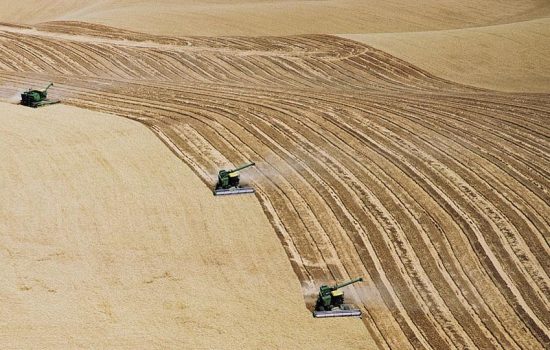
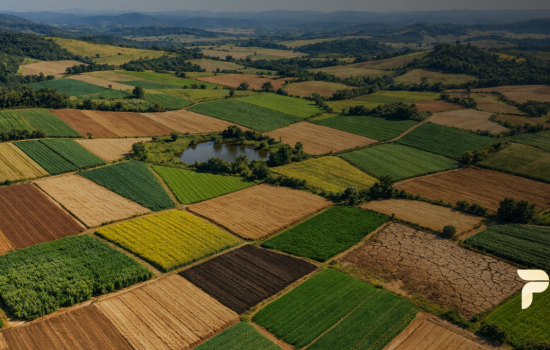
Industrial agriculture is a modernized, large-scale food production system that relies heavily on mechanization, chemical inputs, and monoculture farming to maximize crop and livestock yields. Often referred to as conventional or intensive farming, this system dominates the global food supply chain. It is managed primarily by large multinational corporations rather than small family-owned operations.
Core Characteristics
- Monoculture Farming: Cultivating thousands of acres of a single crop variety.
- Chemical Reliance: Heavy use of synthetic fertilizers, chemical pesticides, and herbicides.
- High Mechanization: Relying on heavy machinery, advanced technology, and fossil fuels.
- Concentrated Livestock: Raising thousands of animals in Confined Animal Feeding Operations (CAFOs).
- Staple Commodity Focus: Prioritizing massive yields of a few crops like corn, wheat, soy, and rice.
Primary Advantages
- Increased Performance: Harvesting exceptionally high yields from smaller relative territories.
- Lower Consumer Costs: Using economies of scale to keep supermarket food prices affordable.
- Prolonged Shelf Life: Utilizing specialized global logistics, processing, and preservation methods.
- Global Food Security: Producing vast quantities of dietary energy to keep up with global population growth.
Key Environmental & Social Challenges
- Soil Degradation: Stripping nutrients from the land, which drives up chemical fertilizer dependency.
- Water Pollution: Spurring agricultural runoff that contaminates local drinking water and creates ocean “dead zones”.
- Climate Footprint: Generating massive greenhouse gas emissions via synthetic nitrogen breakdown, machinery, and methane.
- Public Health Risks: Introducing dietary health strains through highly processed, calorie-dense foods.
- Antibiotic Resistance: Administering daily low doses of antibiotics to livestock, which lowers drug effectiveness for humans.
Viable Alternatives Changing the Industry
To combat the external costs of this system, eco-conscious movements like FoodPrint and the Union of Concerned Scientists actively promote sustainable pathways. These models prioritize ecosystem balance over maximum short-term profit:
- Organic Farming: Eliminating synthetic chemicals entirely in favor of natural composting and crop rotations.
- Agroecology: Treating farms as whole ecosystems, blending native crop varieties, trees, and livestock to capture carbon.
- Regenerative Agriculture: Implementing reduced-tillage and off-season cover crops to actively rebuild and restore topsoil.
Regenerative agriculture is a holistic farming system that focuses on restoring soil health, boosting biodiversity, and improving water cycles. Unlike conventional farming, which often depletes natural resources, or sustainable farming, which merely aims to maintain the status quo, regenerative methods actively rebuild and heal the ecosystem.
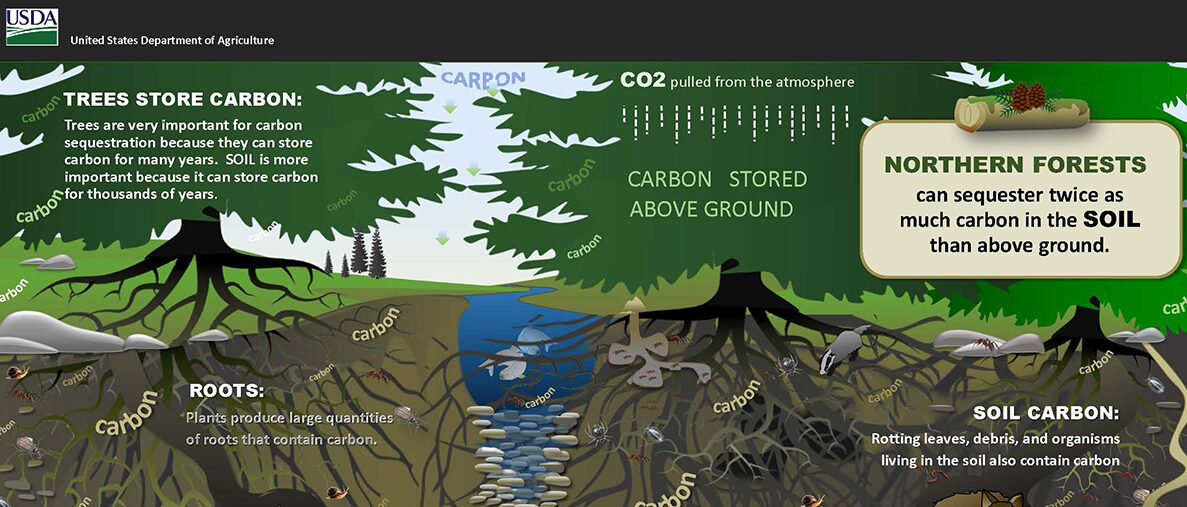
By revitalizing the land, this approach improves farm productivity, helps mitigate climate change through carbon sequestration, and produces more nutrient-dense food. Many of these practices are grounded in generations of Traditional Ecological Knowledge (TEK) from Indigenous communities.
Core Principles
Regenerative farming is guided by six ecological principles that mimic natural systems:
- Understand Context: Farming decisions must align with the local climate, soil type, and community dynamics.
- Minimize Disturbance: Reducing physical tilling and limiting synthetic chemicals protects underground microbial life.
- Maximize Diversity: Growing a variety of plants breaks pest cycles and feeds a wider web of soil biology.
- Keep Soil Covered: Leaving crop residues or living plants on the ground protects topsoil from wind and water erosion.
- Maintain Living Roots: Keeping roots in the ground year-round feeds soil microbes and keeps carbon cycling.
- Integrate Livestock: Moving grazing animals across pastures naturally fertilizes the soil and stimulates plant growth.
Key Implementation Practices
To put these principles into action, land managers rely on several practical techniques:
- No-Till or Reduced-Till Farming: Seeds are drilled directly into untilled earth, keeping the delicate soil structure intact.
- Cover Cropping: Planting species like clover or rye between main cash crops to feed the soil and prevent erosion.
- Rotational Grazing (Mob Grazing): Confining livestock to small pasture areas for short periods before moving them, allowing the land plenty of time to rest and recover.
- Agroforestry & Silvopasture: Incorporating trees and shrubs into crop fields or livestock areas to provide shade, curb erosion, and capture more carbon.
Major Environmental and Economic Benefits
| Feature | Conventional Agriculture | Regenerative Agriculture |
|---|---|---|
| Soil Health | Tends to deplete nutrients over time. | Rebuilds topsoil and organic matter. |
| Water Efficiency | Higher runoff; vulnerable to drought. | Increases water infiltration and storage. |
| Input Dependency | Heavy reliance on synthetic fertilizers/pesticides. | Decreases reliance on external chemical inputs. |
| Climate Action | High greenhouse gas emissions. | Draws down and sequesters atmospheric carbon. |
| Biodiversity | Monoculture reduces wildlife habitats. | Enhances wildlife, pollinator, and microbial life. |
Industrial agriculture and regenerative agriculture represent two very different approaches to farming, each with its own philosophies, practices, and impacts on the environment, economy, and society.
**Industrial Agriculture**
This method is characterized by large-scale farming operations that prioritize high yields and efficiency. It often relies heavily on chemical fertilizers, pesticides, and genetically modified organisms (GMOs) to optimize production. Key features include:
1. **Monoculture**: Focusing on a single crop over large areas, which can increase efficiency but may deplete soil nutrients and negatively impact biodiversity.
2. **Mechanization**: Extensive use of machinery for planting, harvesting, and managing crops, which can reduce labor costs but also lead to soil compaction and erosion.
3. **Chemical Inputs**: Heavy reliance on synthetic fertilizers and pesticides to maximize crop yield and control pests, often leading to soil degradation, water pollution, and harm to non-target organisms.
4. **Short-Term Focus**: Primarily driven by immediate economic returns, often at the expense of long-term sustainability.
**Regenerative Agriculture**
In contrast, regenerative agriculture emphasizes a holistic approach that focuses on restoring and improving the health of ecosystems, soils, and communities. This method includes practices that enhance biodiversity, improve soil health, and increase resilience to climate change. Key features include:
1. **Crop Diversity**: Incorporating multiple crops and rotations to improve soil health, reduce pest outbreaks, and enhance ecosystem resilience.
2. **Soil Health**: Prioritizing soil regeneration through practices such as cover cropping, reduced tillage, and composting, which enhance soil structure and microbiome health.
3. **Holistic Management**: Taking into account the interconnections between agriculture, the environment, and local communities, and promoting practices that support the well-being of farmers and their families.
4. **Carbon Sequestration**: Aiming to sequester carbon in the soil through regenerative practices, which can contribute to climate change mitigation.
5. **Community Focus**: Working with local communities and promoting fair labor practices, thus fostering social equity alongside environmental stewardship.
In summary, while industrial agriculture focuses on maximizing production through efficiency and technology, regenerative agriculture seeks to balance productivity with ecological and social health, aiming for a sustainable future in which farming practices restore rather than deplete natural resources.